Quick Answer / Expert Verdict: The three primary types of PV mounting structures serve different project needs. Roof Mounts are the most cost-effective for utilizing existing building space. Ground Mounts are the standard for utility-scale MW projects requiring high structural capacity. Carport Mounts offer dual-purpose functionality for commercial parking lots integrating EV charging. Choosing the right system depends entirely on your available land, budget, and power generation goals.
When an EPC company or developer plans to invest in a commercial solar project, selecting the correct racking infrastructure is the most critical initial decision. The foundation and framework not only secure the solar modules against severe weather but also dictate the total installation time and long-term maintenance costs.
As a leading global manufacturer, Xiamen Sunforson Power Co., Ltd provides customized engineering solutions for diverse terrains and structures. In this comprehensive guide, we will break down the three main types of solar mounting systems to help you choose the best solution for your next project.
1. Solar Roof Mounting Systems
Roof-mounted systems are the most popular choice for distributed generation, residential setups, and commercial factories. By utilizing unused rooftop real estate, developers can generate substantial power without purchasing or leasing additional land.
Whether you are dealing with a pitched tin roof, a corrugated metal sheet, or a flat concrete surface, a high-quality solar roof mounting system is designed to be lightweight (usually made of AL6005-T5 aluminum) to avoid overloading the building's structural limits.
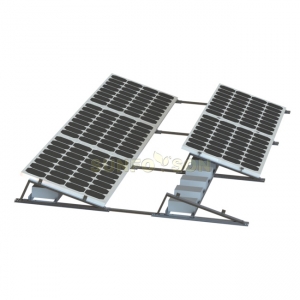
- Flat Roofs: Often utilize ballasted mounting systems. These use concrete blocks to weigh the array down without penetrating the waterproof membrane of the roof.
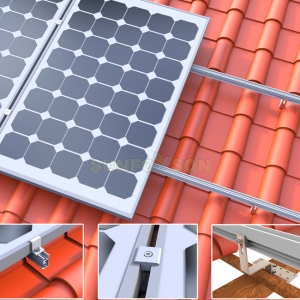
- Pitched Metal Roofs: Utilize specialized clamps (like standing seam clamps or hanger bolts) to attach rails directly to the roof ribs, ensuring completely watertight seals.
- Key Advantage: Lowest initial material cost and no need for extensive civil engineering or soil analysis.
2. Ground Solar Mounting Systems
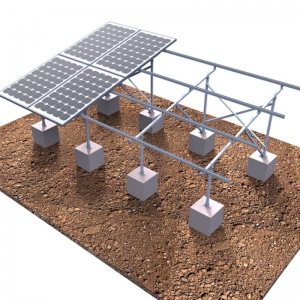
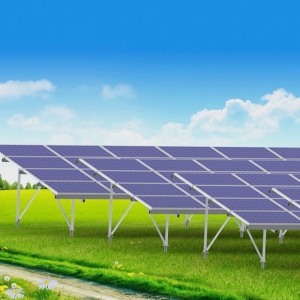
For utility-scale solar farms generating megawatts (MW) or gigawatts (GW) of power, rooftops simply do not offer enough space. Ground mounts are the undisputed backbone of large-scale solar deployment.
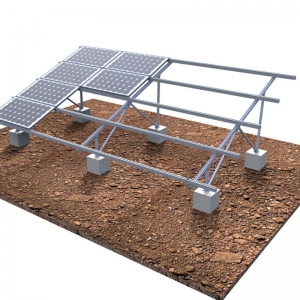
Engineered for massive open terrains, a robust ground solar mounting system is typically constructed from hot-dip galvanized steel (Q235B/Q355B) or heavy-duty aluminum. These structures are anchored deeply into the earth to withstand extreme hurricane-level winds and heavy snow accumulation.
- Foundation Types: Depending on the soil conditions, ground mounts can be anchored using driven steel piles (ramming piles), ground screws, or concrete foundations.
- Optimal Orientation: Unlike roofs that have a fixed angle, ground mounts can be perfectly aligned facing true south (or north) at the exact optimal tilt angle to maximize solar energy yield.
- Key Advantage: Unrestricted system size, perfect panel orientation, and easier ground-level maintenance and cleaning.
3. Commercial Solar Carport Mounting Systems
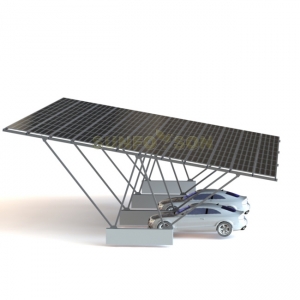
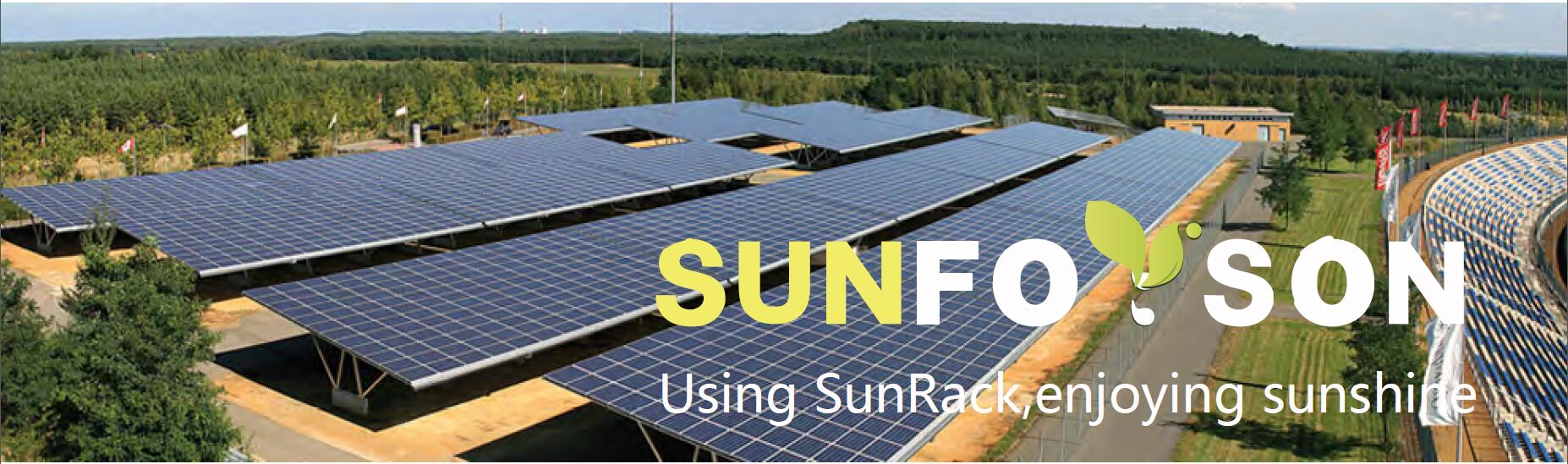
Solar carports are highly elevated ground-mounted canopies installed over parking lots. They are rapidly becoming the preferred choice for shopping malls, corporate campuses, and hospitals.
A highly engineered commercial solar carport mounting system offers a brilliant dual-purpose solution: it generates renewable clean energy while simultaneously providing much-needed shade and weather protection for parked vehicles.
- Waterproof Integration: High-end carports utilize specialized structural water guide rails (W-rails) to catch rainwater between panels, ensuring the cars below stay completely dry.
- EV Charging Synergy: Carports are perfectly positioned to integrate directly with electric vehicle (EV) charging stations, creating a self-sustaining eco-hub for commercial businesses.
- Key Advantage: Maximizes the ROI of existing parking lot spaces and visually demonstrates a company's commitment to green energy.
Quick Comparison Matrix: Which is Right for You?
| Feature | Roof Mount | Ground Mount | Carport Mount |
|---|---|---|---|
| Initial Cost per Watt | Low | Medium (Requires land prep) | High (Heavy engineering) |
| Installation Speed | Very Fast | Fast (With ramming piles) | Moderate |
| Panel Orientation | Limited by existing roof | Fully Customizable | Fully Customizable |
| Ideal Application | Factories, Warehouses, Homes | Utility Farms, Large Open Fields | Malls, Hospitals, Corporate HQs |
Frequently Asked Questions (FAQ)
Q1: Which solar mounting system type generates the most power?
Ground-mounted systems generally produce the most power. Because they are not restricted by a building's shape, engineers can align the panels at the perfect geographic tilt and azimuth angle, resulting in higher overall energy yields compared to flat roof arrays.
Q2: Are roof penetrations necessary for roof mounting?
Not always. For flat concrete roofs, ballasted systems use heavy blocks to secure the panels without drilling a single hole. For standing seam metal roofs, specialized clamps grip the metal ribs securely without piercing the surface, guaranteeing zero leaks.
Q3: How long do these mounting structures last?
Whether it is an anodized aluminum roof mount or a hot-dip galvanized steel ground structure, SunRack systems are rigorously calculated and engineered to provide a safe, maintenance-free lifespan of over 25 years in harsh outdoor environments.
Start Your Solar Project with a Professional Manufacturer
From standard residential roofs to megawatt utility ground farms and custom commercial carports, Sunforson provides strictly calculated and tested mounting solutions for clients in over 80 countries.
Tell us about your project site, and let our engineering team design the perfect structure for you. Contact us today: info@sunforson.com.