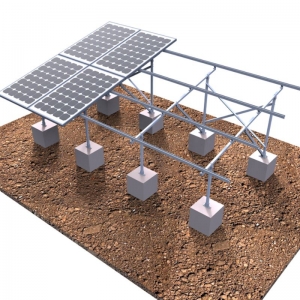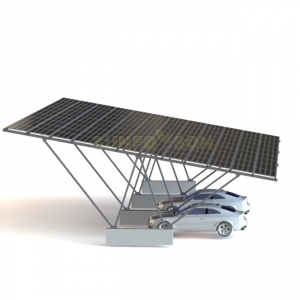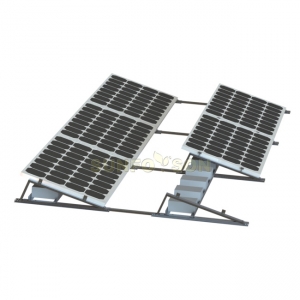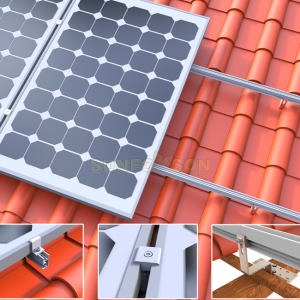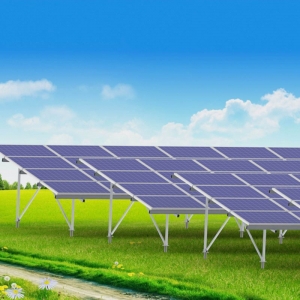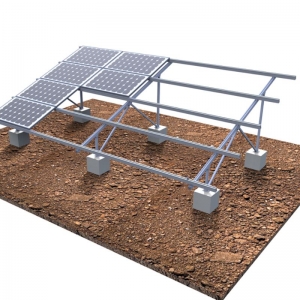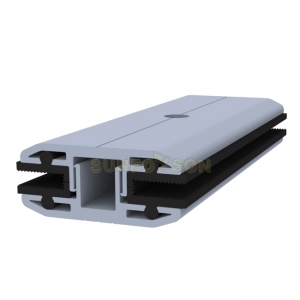
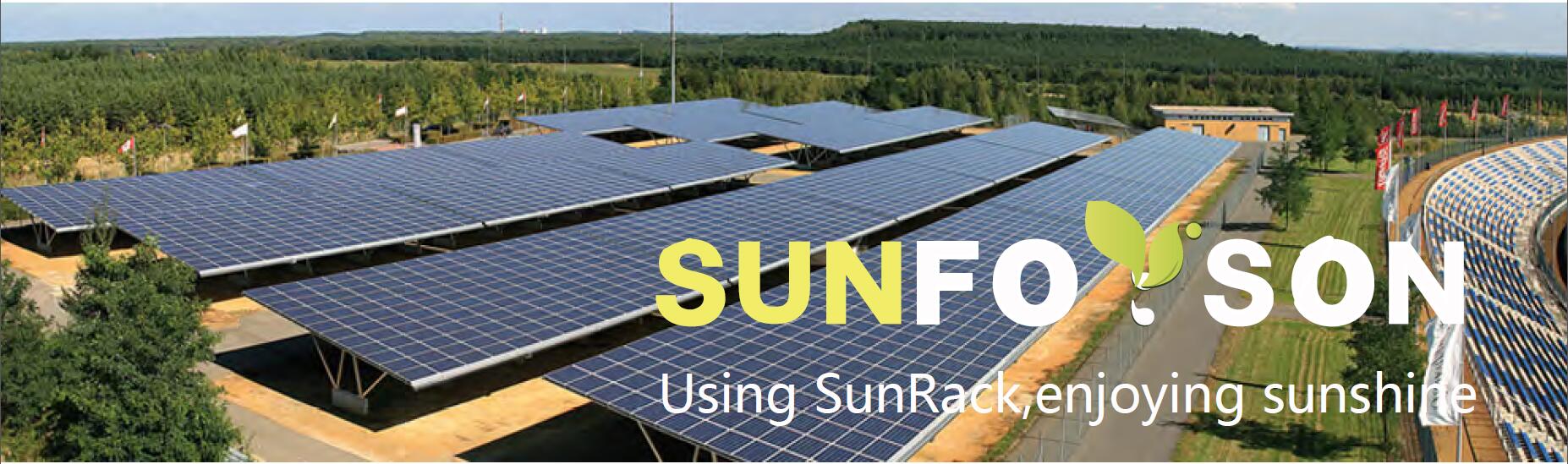
Ngành công nghiệp hệ thống lắp đặt năng lượng mặt trời toàn cầu đang trải qua những thay đổi đáng kể về công nghệ và thị trường khi các yêu cầu của dự án ngày càng đa dạng hơn. Đi đầu trong xu hướng này,giá đỡ năng lượng mặt trờisự đổi mới đang được thúc đẩy bởi nhu cầu lắp đặt nhanh hơn và khả năng thích ứng với địa hình phức tạp.
Các triển lãm ngành gần đây, chẳng hạn như Intersolar Europe 2026, đã trở thành những địa điểm quan trọng để giới thiệu cácgiải pháp kết cấu lắp đặt năng lượng mặt trờithế hệ mới. Một số nhà sản xuất quốc tế đã ra mắt các hệ thống mới dành cho các dự án quy mô tiện ích, nhấn mạnh việc lắp đặt tinh gọn với các bộ phận đơn giản hóa và khả năng chống ăn mòn được cải thiện. Trong khi đó, các công ty khác giới thiệu những hệ thống xà gồ mới có thể giảm tổng thời gian lắp đặt tới 30%, với việc lắp đặt mô-đun nhanh hơn tới 70% so với các phương pháp truyền thống.
Một xu hướng đáng chú ý được nhấn mạnh trong tin tức là sự áp dụng nhanh chóng của các hệ thống chuyên dụng cho địa hình phức tạp và các dự án nông điện. Các hệ thốnggiá đỡ năng lượng mặt trờicứng nhắc truyền thống gặp phải những hạn chế trên mặt đất không bằng phẳng và đất nông nghiệp. Điều này đang dẫn đến mức tăng nhu cầu 32% so với cùng kỳ năm trước đối với các kết cấu lắp đặt linh hoạt có nhịp dài, có thể giảm hơn 60% số lượng cọc móng, cho phép sử dụng đất kép cho cả nông nghiệp và sản xuất năng lượng. Sự chuyển dịch sang các giải pháp linh hoạt và có khoảng cách cao đang trở thành ưu tiên quan trọng đối với các nhà phát triển quốc tế nhằm giảm chi phí và tuân thủ các quy định môi trường nghiêm ngặt.