Khi quá trình chuyển đổi năng lượng toàn cầu tăng tốc, Đông Nam Á đang nổi lên như một điểm nóng mới cho đầu tư vào năng lượng mặt trời. Kể từ đầu năm 2026, khu vực này đã chứng kiến sự bùng nổ các hoạt động liên quan đến năng lượng mặt trời – từ triển lãm năng lượng mặt trời quốc tế sôi động ở Indonesia đến chỉ thị của thủ tướng về điện mặt trời mái nhà ở Việt Nam, cùng với việc mở các hành lang năng lượng xuyên biên giới. Ngành công nghiệp quang điện trong khu vực đang cho thấy những dấu hiệu thịnh vượng được thúc đẩy bởi chính sách, nhu cầu thị trường và các dự án.
Indonesia: “Cuộc chiến thích ứng” với công nghệ quang điện tại một quốc đảo
Là nền kinh tế lớn nhất Đông Nam Á, Indonesia sở hữu nguồn ánh sáng mặt trời dồi dào và nhu cầu cấp thiết về chuyển đổi năng lượng. Tiềm năng này đã được thể hiện đầy đủ tại triển lãm SOLARTECH INDONESIA 2026, kết thúc vào cuối tháng Tư.
.
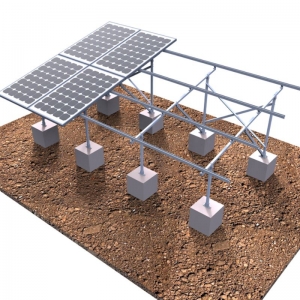
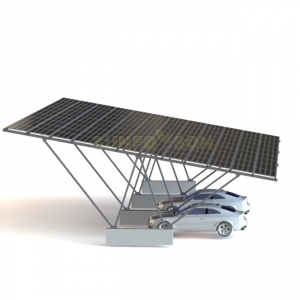
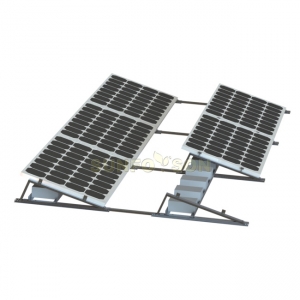
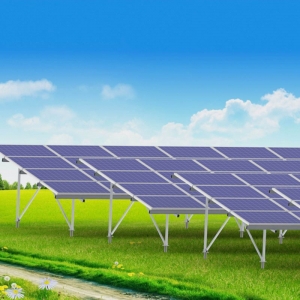
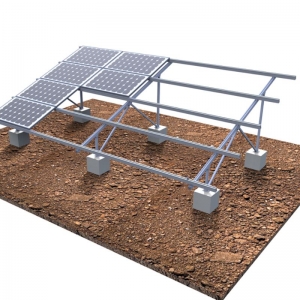
Đối mặt với những thách thức khắc nghiệt của quốc gia “ngàn đảo” Indonesia – địa hình phức tạp, nhiệt độ cao, độ ẩm cao và khả năng ăn mòn do phun muối cao (môi trường C4/C5) – các nhà sản xuất kết cấu giá đỡ năng lượng mặt trời hàng đầu đã đưa ra các giải pháp chuyên biệt. Ví dụ, Hubei Huachuang đã giới thiệu hệ thống kết cấu thép cường độ cao lắp đặt trên mặt đất “SKYLAND”, được làm từ thép hợp kim thấp cường độ cao Q460B với lớp mạ kẽm nhúng nóng chịu nhiệt chống ăn mòn, được thiết kế riêng cho điều kiện khí hậu khắc nghiệt.
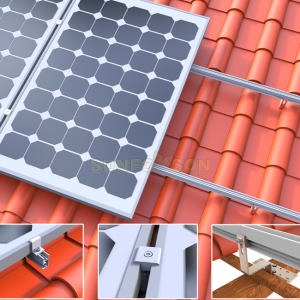
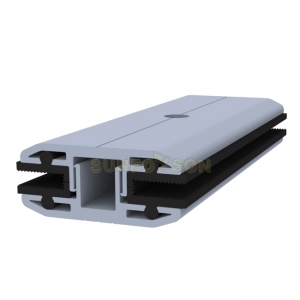
Antaisolar và SOEASY SOLAR cũng cho ra mắt các sản phẩm có độ bền cao (thép mạ Zn-Al-Mg và hợp kim Al-Mg), nhấn mạnh khả năng chống ăn mòn, chống bão và các tính năng mô-đun, dễ lắp đặt để giải quyết các khó khăn trong xây dựng trên khắp các hòn đảo đa dạng của Indonesia.
.
Về mặt dự án, tiến độ cũng đã đạt được những bước tiến đáng kể. Vào ngày 22 tháng 4, dự án nhà máy điện mặt trời 124,84 MW trên đảo Bintan của Indonesia, do Công ty Bảo vệ Môi trường Boqi thực hiện, đã chính thức khởi công, đánh dấu một bước quan trọng trong việc mở rộng hoạt động điện mặt trời phân tán ra nước ngoài của công ty.
Dự án này trực tiếp hỗ trợ mục tiêu đầy tham vọng của Indonesia về năng lượng mặt trời, đó là bổ sung 17,1 GW công suất điện mặt trời trong thập kỷ tới.
Hơn nữa, các báo cáo truyền thông Indonesia cho thấy công ty quản lý đầu tư Danantara đang thúc đẩy hợp tác năng lượng tái tạo xuyên biên giới trị giá khoảng 30 tỷ USD với Singapore, tập trung vào các cơ sở năng lượng mặt trời và đường dây truyền tải, có thể trở thành một trong những dự án hợp tác năng lượng lớn nhất của ASEAN.
.
Việt Nam: Cuộc cách mạng điện mặt trời mái nhà được thúc đẩy bởi chính sách
Tại Việt Nam, chính sách là động lực mạnh mẽ nhất thúc đẩy phát triển năng lượng mặt trời. Trước nhu cầu điện năng tăng cao, Thủ tướng Chính phủ đã ký ban hành Chỉ thị số 10/CT-TTg năm 2026, đề ra sáu mục tiêu cụ thể về tiết kiệm điện và phát triển điện mặt trời mái nhà.
.
Mục tiêu cốt lõi là đến năm 2030, ít nhất 10% các cơ quan công quyền và hộ gia đình trên toàn quốc sẽ áp dụng hệ thống điện mặt trời áp mái tự tiêu thụ. Các chuyên gia lưu ý rằng chi phí đầu tư đã giảm xuống chỉ còn 40-50% so với 5 năm trước, khiến chính sách này khả thi về mặt kinh tế.
Về mặt triển khai thực hiện, chính quyền các tỉnh đang tích cực soạn thảo kế hoạch ưu tiên lắp đặt điện mặt trời trên mái nhà các tòa nhà văn phòng và khuyến khích sự tham gia của cộng đồng, nhằm giảm thiểu tình trạng thiếu điện tiềm tàng dự kiến xảy ra từ năm 2026 đến năm 2028 thông qua quản lý nhu cầu (DSM).
.
Kết nối khu vực: Tuyến đường sắt Trung Quốc-Lào mở ra hành lang logistics năng lượng mặt trời mới
Ngoài Indonesia và Việt Nam, các quốc gia Đông Nam Á khác cũng đang tích cực mở rộng. Đặc biệt, hợp tác chuỗi cung ứng trong khu vực đang đạt đến một giai đoạn mới. Ngày 17 tháng 3, một đoàn tàu chở 300 tấn khung giá đỡ năng lượng mặt trời thông minh đã khởi hành từ Panzhihua, Trung Quốc, dọc theo tuyến đường sắt Trung Quốc - Lào đến Vientiane, Lào. Tổng thời gian vận chuyển được rút ngắn một nửa, giảm chi phí và mở ra một “kênh vàng” hiệu quả cho các sản phẩm quang điện sản xuất tại Trung Quốc thâm nhập thị trường Đông Nam Á.
.
Trong khi đó, sự hỗ trợ ở cấp độ vĩ mô đang được đẩy mạnh. Một sáng kiến chuyển đổi năng lượng do Liên hợp quốc hậu thuẫn đã huy động được hơn 4 triệu đô la Mỹ trong giai đoạn đầu để giúp các quốc gia Đông Nam Á, trong đó có Philippines, chuyển đổi sang năng lượng sạch mà không làm chậm tăng trưởng kinh tế, tập trung vào quy hoạch năng lượng dài hạn và kết nối lưới điện khu vực.
.