Quick Answer / Expert Verdict: A professional PV racking structure must comply with regional structural engineering standards to ensure safety against wind, snow, and seismic activity. The three most globally recognized standards for evaluating a solar mounting system are AS/NZS 1170.2 (Australia/New Zealand Wind Actions), JIS C 8955 (Japanese PV Structural Design), and ASCE 7 / IBC (American Society of Civil Engineers). Compliance with these codes is mandatory for securing project insurance and building permits.
For commercial solar developers and EPCs, purchasing mounting brackets based solely on price is a dangerous gamble. The structural integrity of the racking system is the only thing preventing your solar panels from being ripped off a roof during a storm or collapsing under winter snow. If the structure fails, the entire financial investment is lost.
To mitigate this risk, global regulatory bodies have established strict engineering codes. As a leading manufacturer with projects deployed in over 80 countries, Xiamen Sunforson Power Co., Ltd engineers every bracket to meet or exceed these international guidelines. In this technical guide, we explain the core structural standards you must demand from your racking supplier.
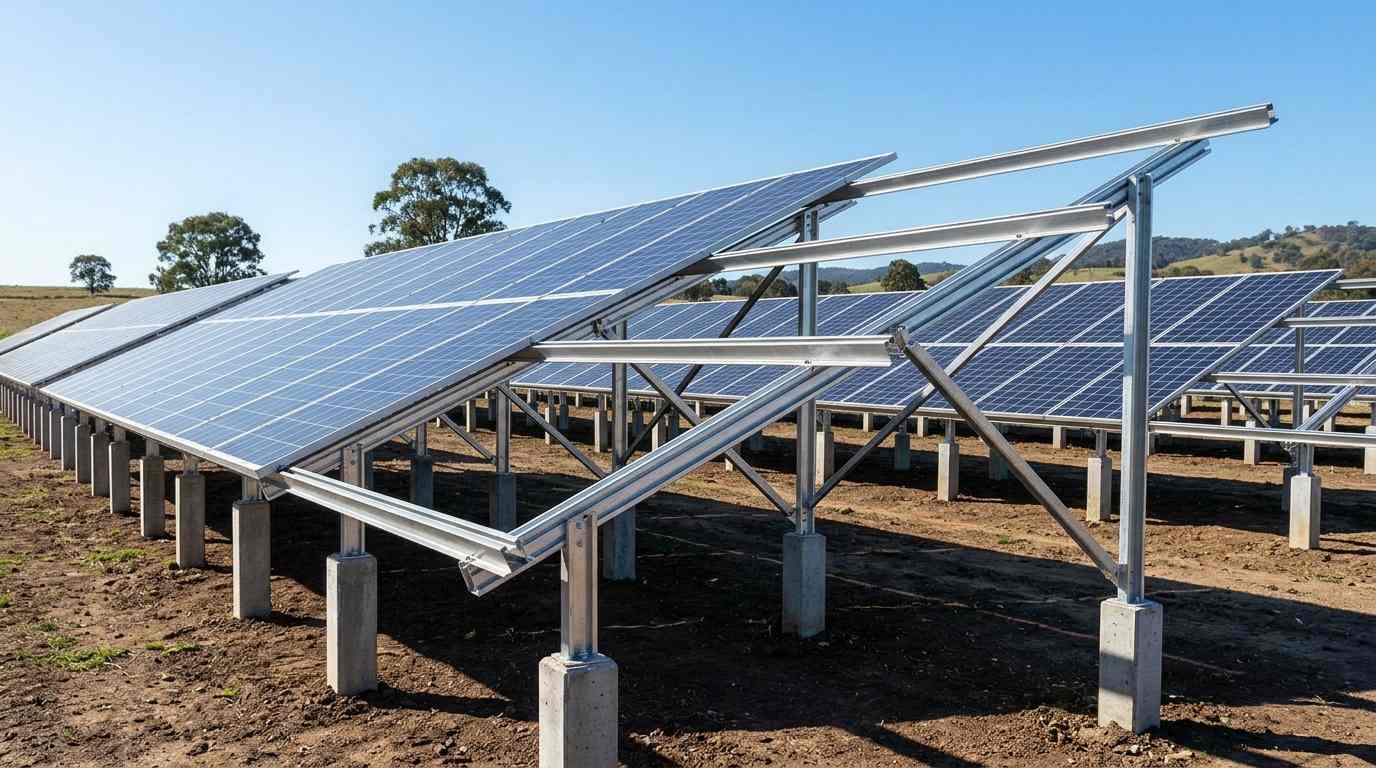
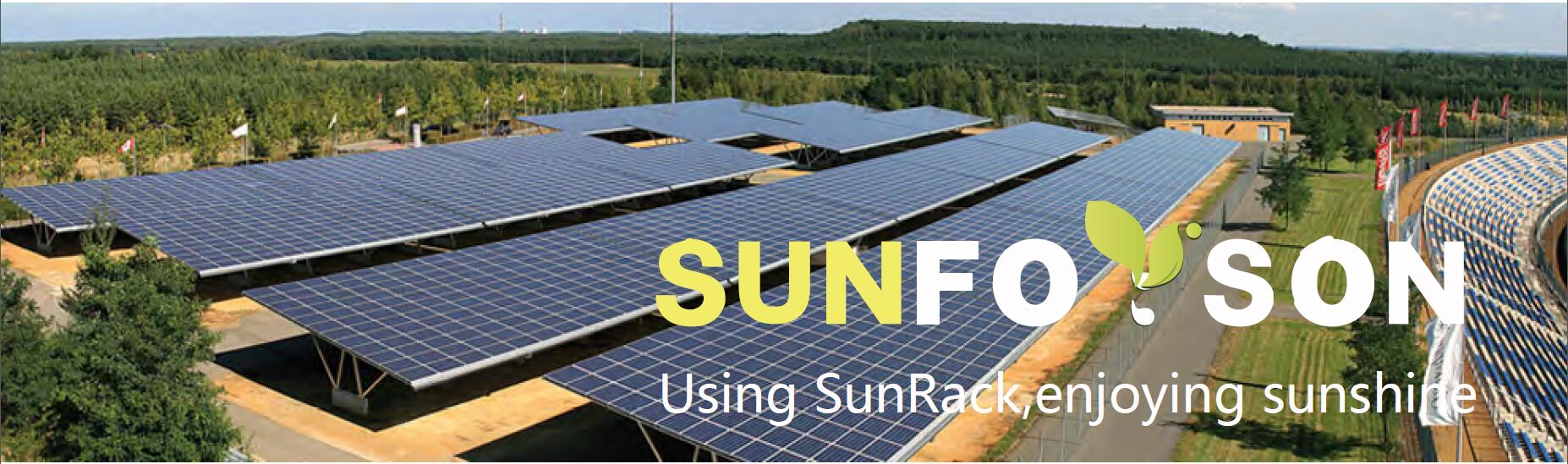
SunRack structures undergo rigorous FEA testing for global compliance
1. AS/NZS 1170.2: The Benchmark for Wind Resistance
Originating from Australia and New Zealand, the AS/NZS 1170.2 (Structural Design Actions - Wind Actions) is widely considered one of the strictest wind load standards in the world. Because Australia experiences severe cyclones, this code dictates exactly how to calculate aerodynamic drag and uplift forces on structures.
When an engineering team designs a solar roof mounting system compliant with AS/NZS 1170.2, they must account for the local terrain category, the height of the building, and the specific wind region (from Region A to the severe Region D). If a supplier claims their bracket is "windproof" but cannot produce an AS/NZS 1170.2 certification report, EPCs should proceed with extreme caution.
2. JIS C 8955: The Authority on Snow and Earthquakes
Japan’s geography presents a unique combination of threats: frequent, high-magnitude earthquakes and heavy seasonal snowfall. The JIS C 8955 (Design Guide on Structures for Photovoltaic Arrays) was specifically formulated to address these complex mechanical stresses.
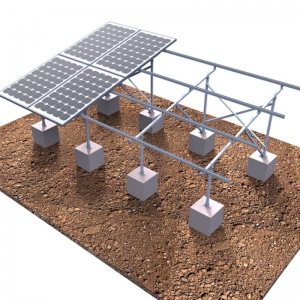
This standard requires engineers to calculate the exact dead load of snow (snow creep) and the lateral forces generated during seismic events. For developers building a ground solar mounting system in mountainous or earthquake-prone areas, ensuring the aluminum or galvanized steel foundation meets JIS C 8955 guarantees that the array will not buckle or shear when the earth moves.
3. ASCE 7 / IBC: The North American Standard
In the United States, solar installations must pass the scrutiny of local permitting offices, which rely on the International Building Code (IBC). The structural calculations within the IBC are derived directly from ASCE 7 (Minimum Design Loads and Associated Criteria for Buildings and Other Structures).
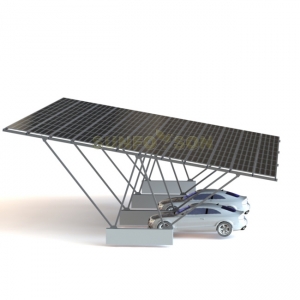
ASCE 7 provides highly detailed formulas for calculating wind uplift on tilted panels and snow load distribution. It is particularly critical for elevated, complex structures. For instance, when engineering a heavy-duty commercial solar carport mounting system in a public parking lot, ASCE 7 compliance ensures the canopy has the structural rigidity to protect the vehicles and pedestrians below during extreme weather events.
Global Engineering Standards Comparison Matrix
| Engineering Standard | Origin Region | Primary Structural Focus | Key Importance for EPCs |
|---|---|---|---|
| AS/NZS 1170.2 | Australia & New Zealand | Extreme Wind Uplift & Cyclones | Essential for coastal arrays and hurricane zones. |
| JIS C 8955 | Japan | Snow Dead Load & Seismic Activity | Crucial for heavy winter climates and earthquake zones. |
| ASCE 7 / IBC | North America | Comprehensive Building Integration | Mandatory for US building permits and commercial insurance. |
Frequently Asked Questions (FAQ) about Compliance
Q1: Do I need compliance documentation to get a solar installation permit?
Yes. In almost all developed markets, local city councils or electrical authorities require a structural sign-off (often stamped by a Professional Engineer) proving that the racking system meets local codes before they issue an installation permit.
Q2: How does Sunforson ensure its products meet these standards?
We do not rely on guesswork. SunRack systems undergo rigorous Finite Element Analysis (FEA) software testing. Additionally, we work with independent third-party testing laboratories like SGS and TÜV to physically verify the tensile strength and load capacity of our aluminum and steel components.
Q3: Can a manufacturer quote a price without doing a structural calculation?
While trading companies might offer a generic price list, a true engineering manufacturer cannot provide an accurate, safe quotation without first running calculations based on your specific site’s wind and snow data. A generic bracket is often either dangerously weak or unnecessarily expensive.
Secure Your Solar Investment with Certified Engineering
Protect your commercial property, ensure strict code compliance, and streamline your permitting process by partnering with a verified expert. Xiamen Sunforson Power Co., Ltd delivers mounting structures engineered to the highest global standards.
Request a compliant structural design for your next project today: info@sunforson.com.